
The Most Famous Name in Ethiopian Coffee
If one region carries Ethiopian coffee's reputation abroad, it's Yirgacheffe. The name appears on menus worldwide, often as shorthand for bright, floral, tea-like coffee. But Yirgacheffe is not one flavour — it's a region with distinct washing stations, each producing something recognisably its own.
Chelchele
Among Yirgacheffe's washing stations, Chelchele has built a particular following. Coffee here grows at altitudes reaching 2,100 metres — high even by Ethiopian standards.
Altitude matters because it slows everything down. Cherries take longer to ripen, and that extended maturation concentrates sugars and develops the acidity structure that gives high-grown coffee its clarity. Beans grown this high are also physically denser, which changes how they roast and how they extract.
Kurume
Kurume is one of the indigenous Ethiopian varietals that gets grouped under the broad "Heirloom" label. It's known for small, dense beans and a pronounced aromatic quality — floral and fruit-forward in a way that distinguishes it even among Ethiopian coffees.
Unlike commercial varietals bred for yield or disease resistance, Kurume exists because it grew there. That's the difference between Ethiopian coffee and almost everywhere else.
Natural Processing on Raised Beds
In natural processing, whole cherries dry with the fruit still attached. On raised beds, air circulates underneath, which dries the cherries more evenly than patio drying and reduces the risk of mould and over-fermentation.
It's labour-intensive: cherries must be turned by hand, repeatedly, over two to three weeks. But the payoff is the fruit character that migrates from the drying cherry into the bean — the berry notes and syrupy body that washed coffees don't produce.
What Yirgacheffe Naturals Taste Like
- Strawberry — the signature marker of a well-executed Ethiopian natural
- Blackberry — darker fruit depth underneath the brightness
- Floral aromatics — jasmine and bergamot are common descriptors
- Balanced sweetness with moderate rather than sharp acidity
- Creamy body — heavier than the washed coffees from the same region
Brewing It
Pour-Over
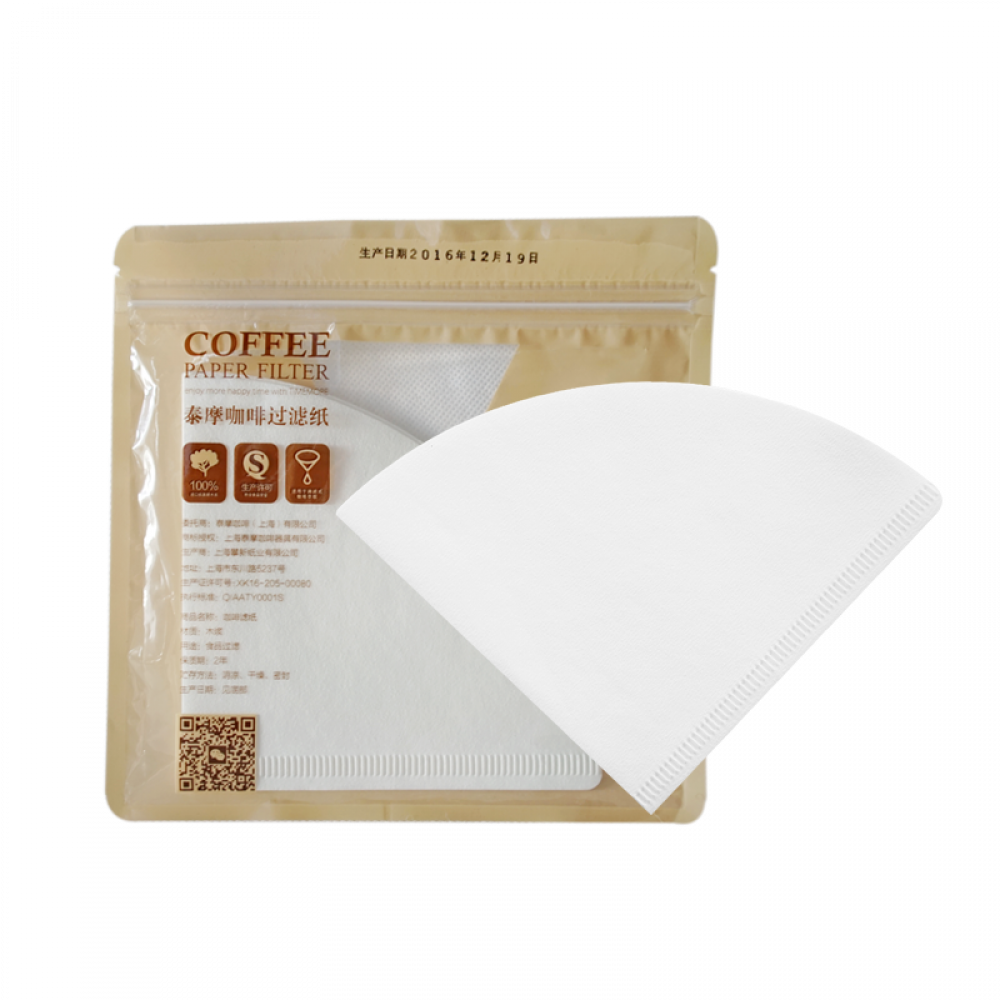
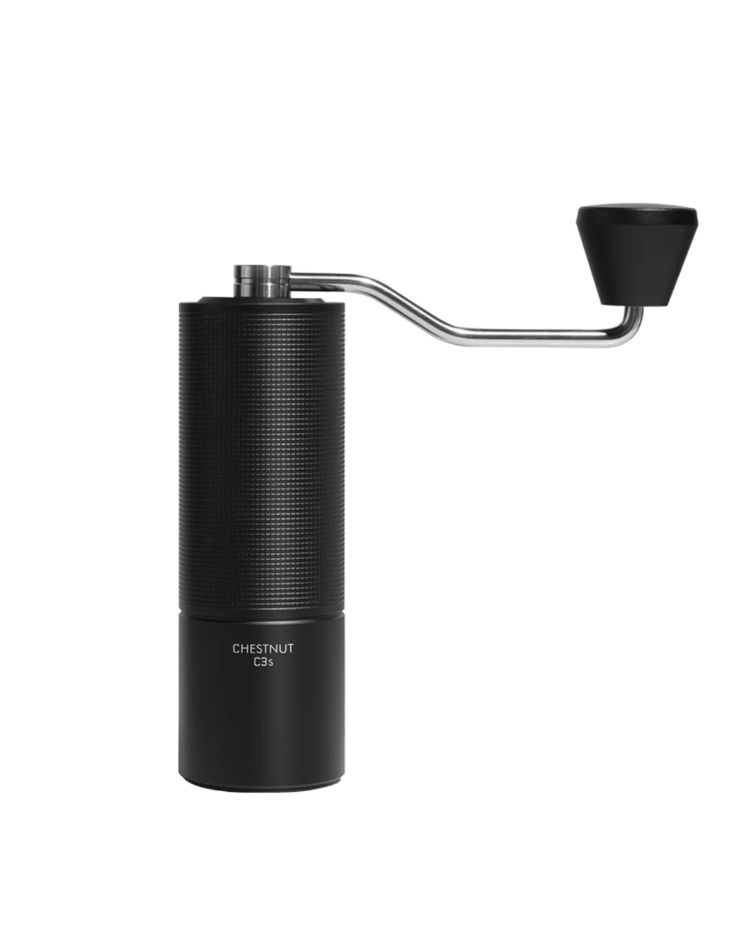
V60 or a flat-bed dripper shows the aromatics best. Start at 1:16, water at 93–96°C, medium grind. Push finer if the cup tastes thin.
With Milk
Ethiopian naturals hold up well in milk drinks, which surprises people. The natural sweetness amplifies against the milk, and the fruit notes stay present rather than disappearing.
Roast Level
Light to medium-light. Take the roast darker and the floral and berry compounds burn off — which removes the reason you chose the coffee in the first place.
Why It Matters
Yirgacheffe naturals sit at the point where coffee stops tasting like coffee and starts tasting like fruit. For anyone whose reference is chocolate and nuts, it's a genuine recalibration.
Browse our current coffee selection at Armista Kuwait.